Generation Re
Winter / Spring 2025
Founder
SUMMARY
Generation Re was born from the belief that giving clothing a second life should feel as exciting and rewarding as buying something new. Our goal was to extend the life of garments while empowering customers to collaborate with creative professionals across repair, tailoring, and complete reimagination. Over six months, I led a three-person team through immersive testing: interviewing 100+ customers and creatives, building prototypes, hosting pop-ups, and matching customers and creatives for real paid transformations. Although we chose to close the venture based on our testing results, the work resulted in 20 paid transformations, high-performing paid ads (7.6% CTR) and creative outreach (14% acquisition rate), and deep insights into the second-hand and creator economies.
PROCESS
1. Identify
Fashion has always been a major part of my life, and my relationship with it continues to evolve. I felt and saw so many others struggle to know what to do with their clothing, feeling overwhelmed by overflowing closets and the guilt of knowing their clothes might end up in a landfill.
Recognizing shifting consumer behaviors, a growing market for sustainable fashion, and increasing pressures on the environment, I sought to explore this opportunity more deeply.
2. Discover
We started off interviewing 40+ individuals about their relationship with fashion, shopping habits, and methods used to part ways with their clothing, getting into their minds and closets. From these conversations, I visualized the journey between individual and product from discovery to parting ways, and synthesized learnings about their pain points, behaviors, and attitudes.
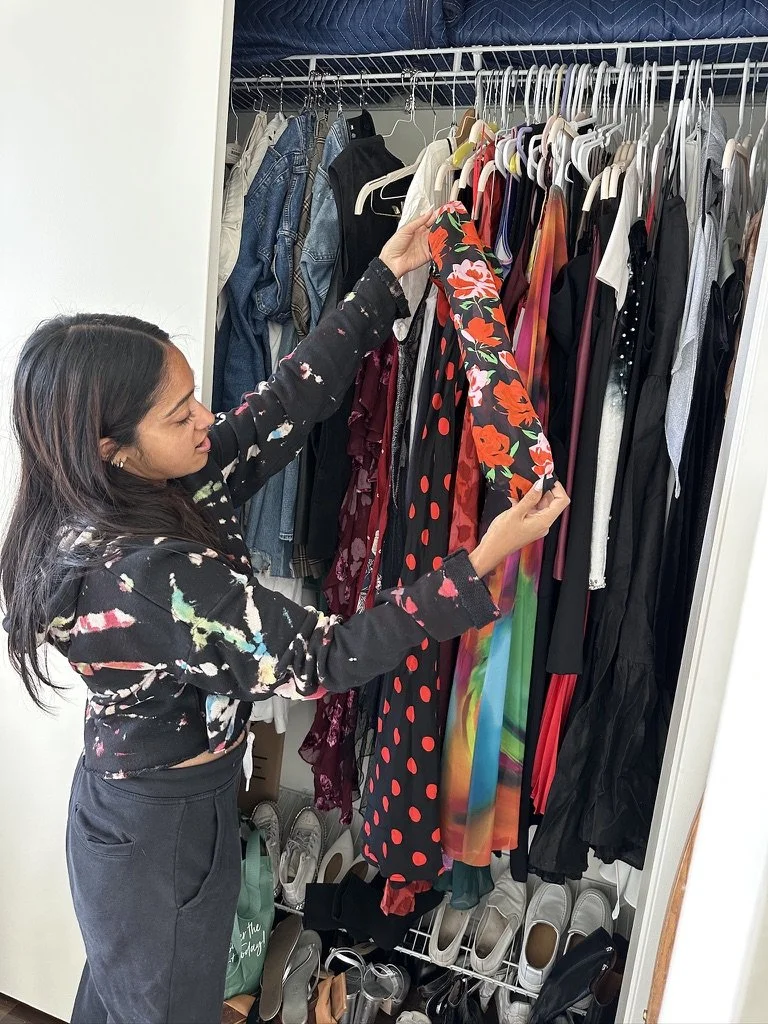
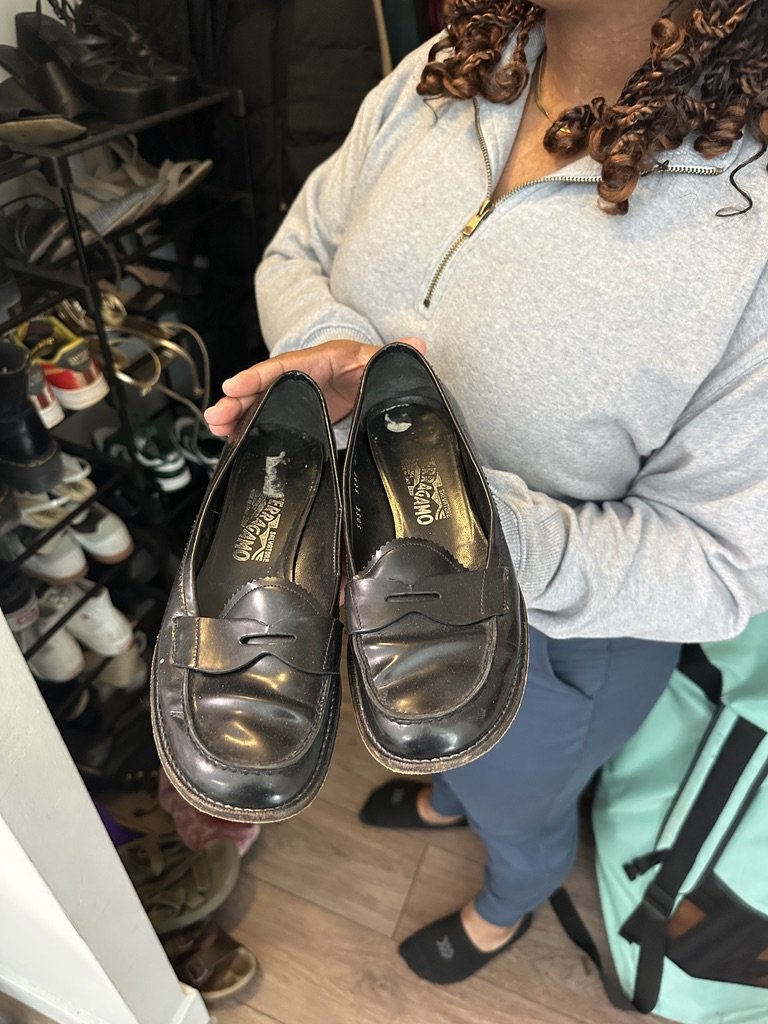
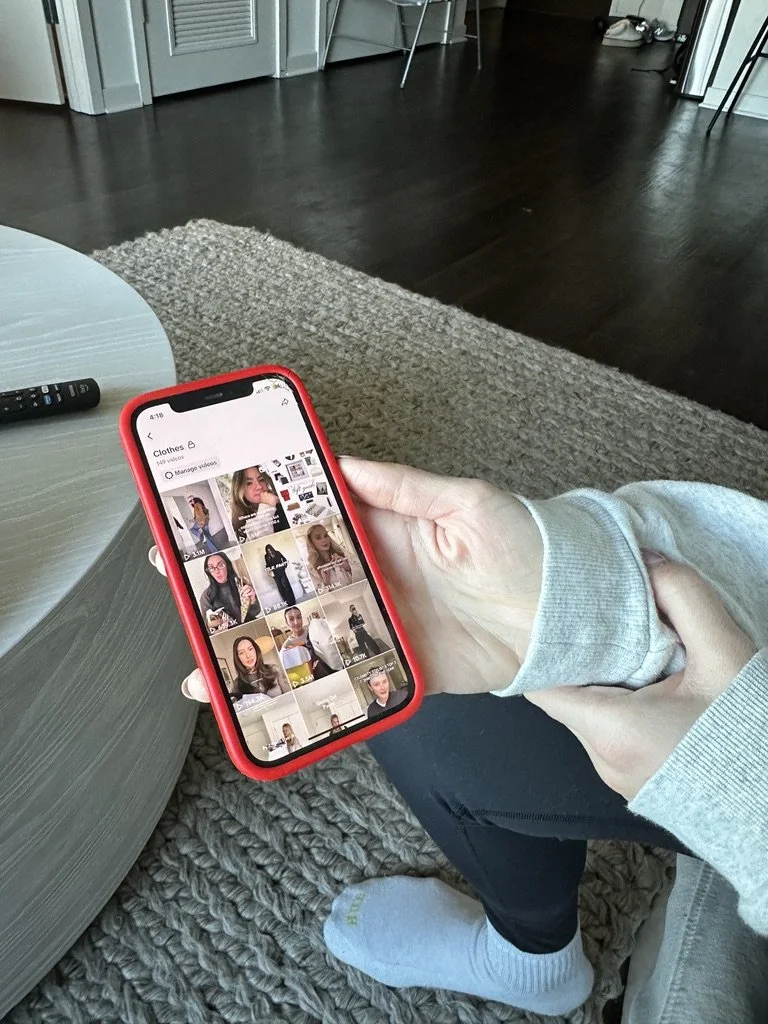
Based on user and market research, we saw a big opportunity in the clothing maintenance, care, and repurposing space.

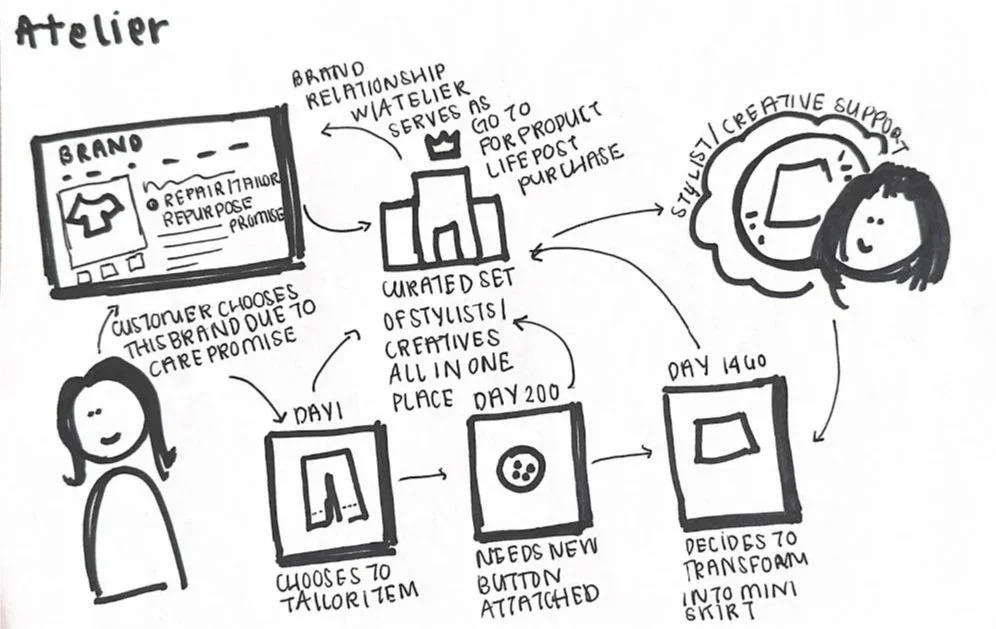
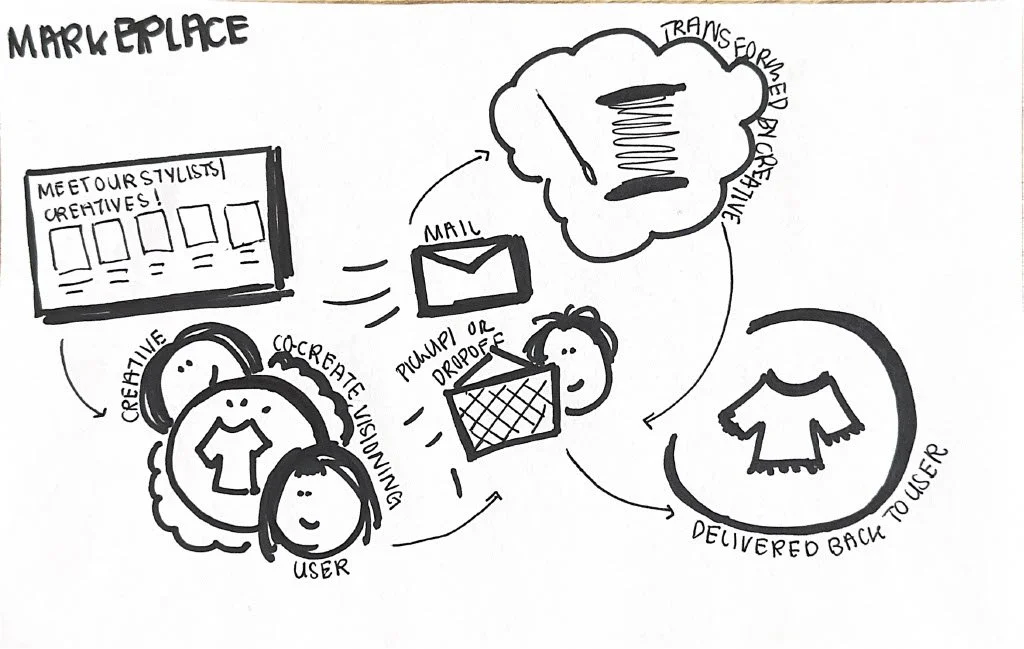
I visualized various concepts and interviewed 10 individuals to get genuine thoughts and feedback, ultimately bringing us to the initial concept of Generation Re.
3. Create & Test
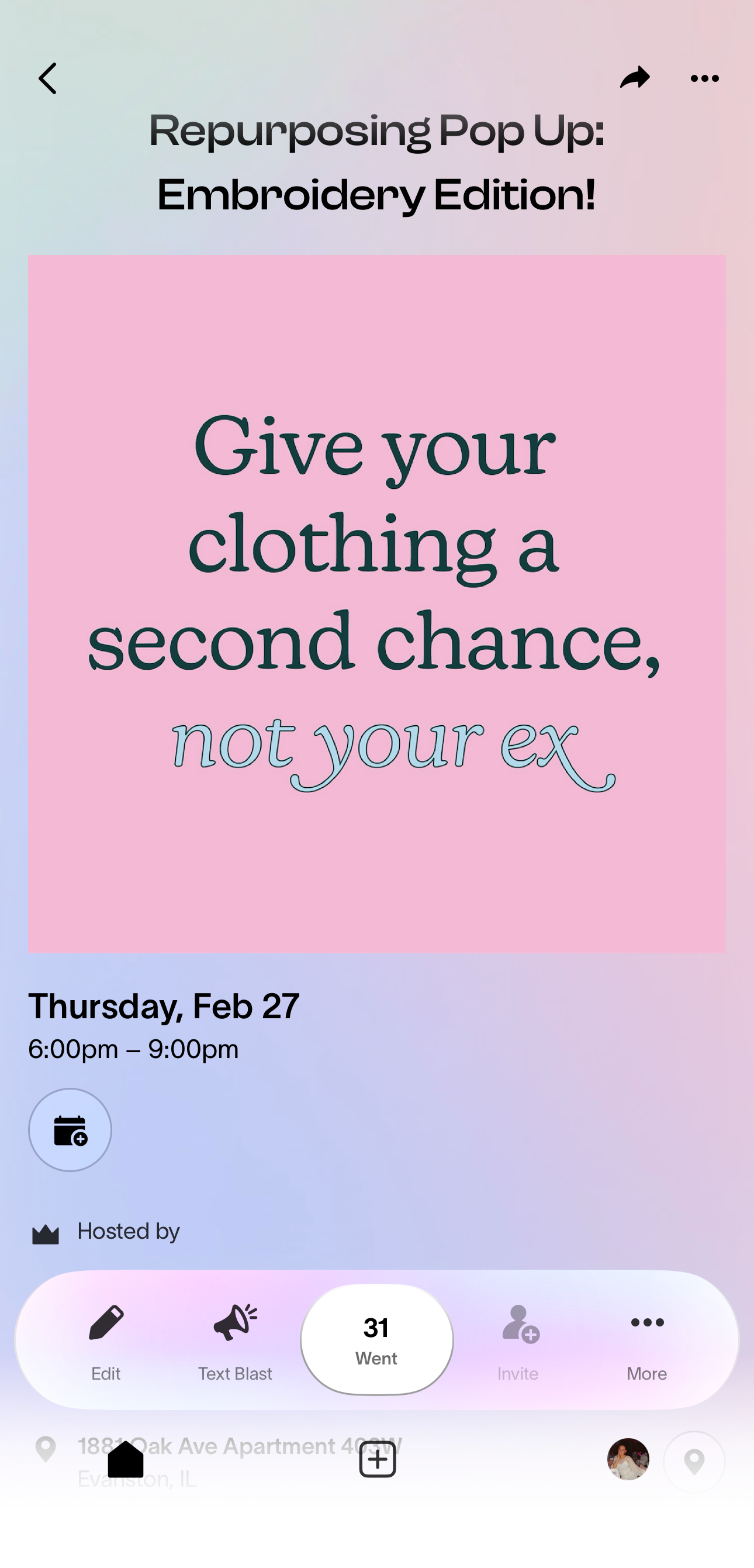
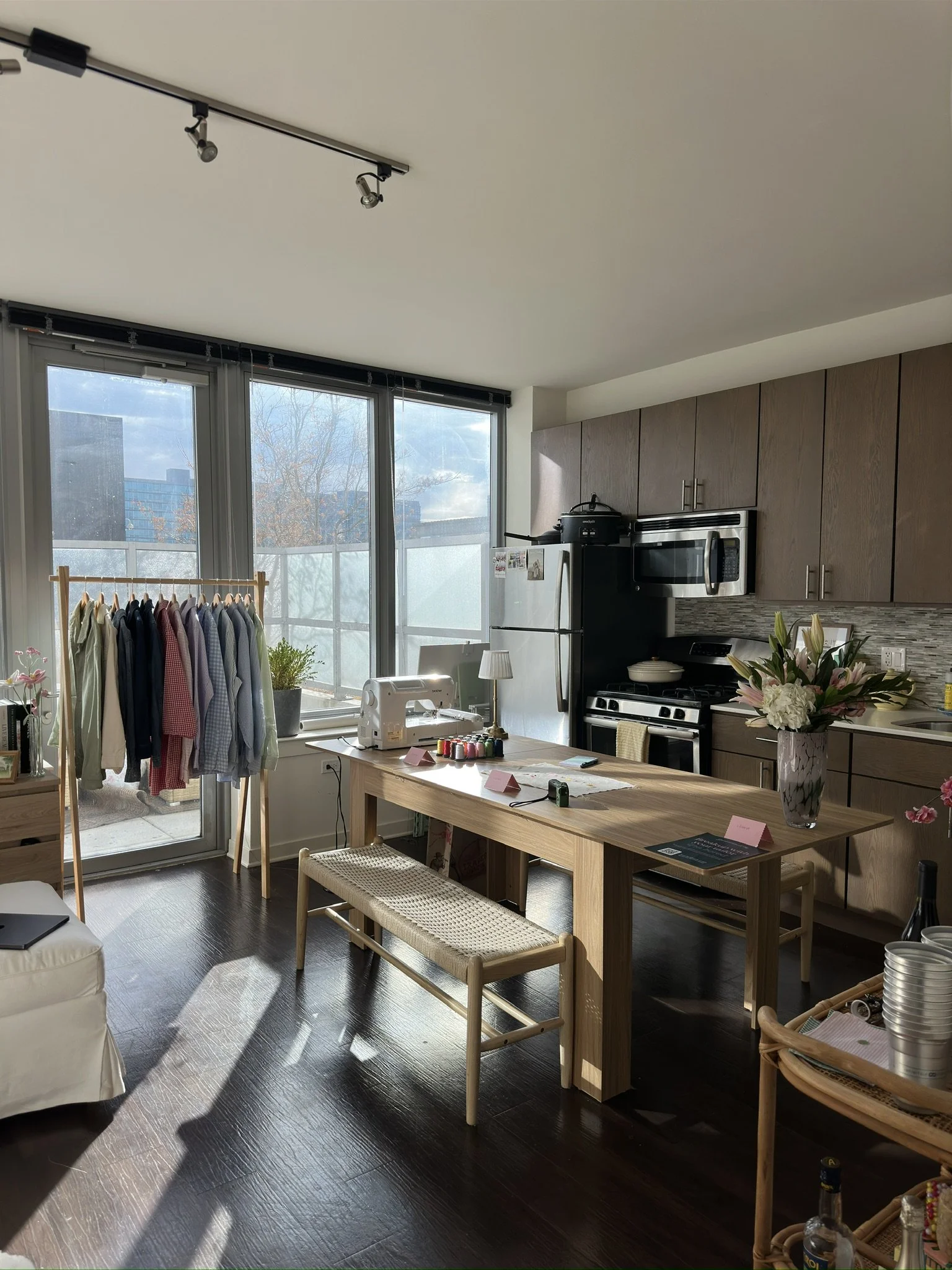
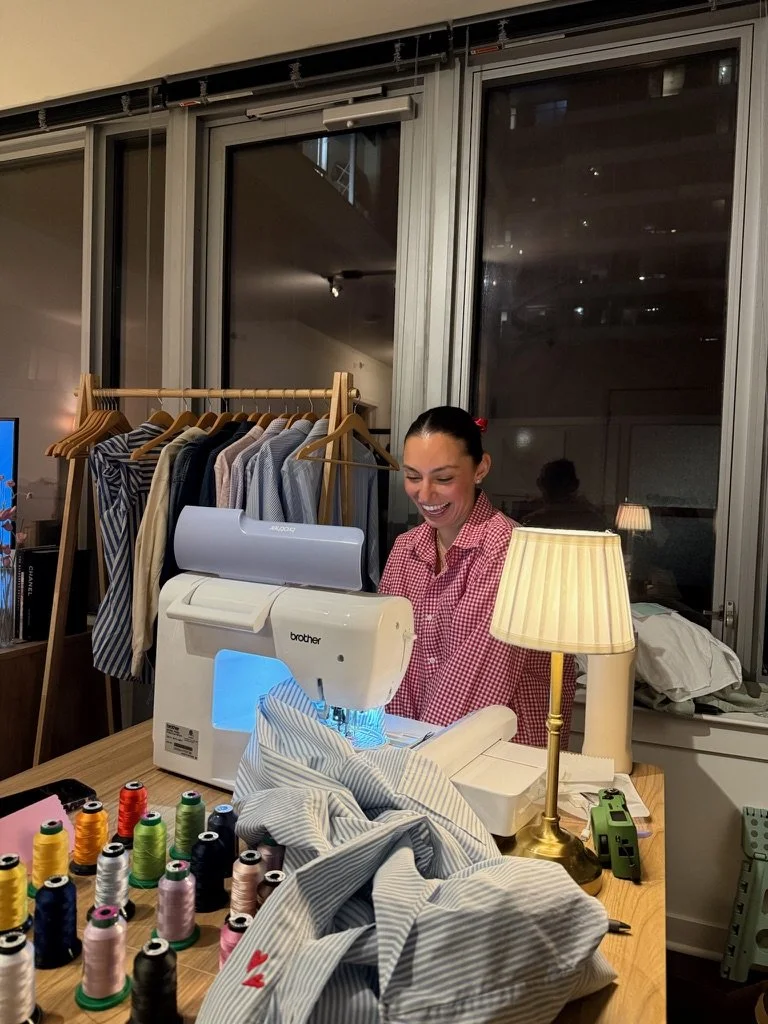
While words were helpful in progressing the idea, we needed to see action by customers to demonstrate desirability. We hosted an in-person embroidery repurposing pop-up, bringing in 15 customers to work directly with an embroidery creative to give their pieces new life.
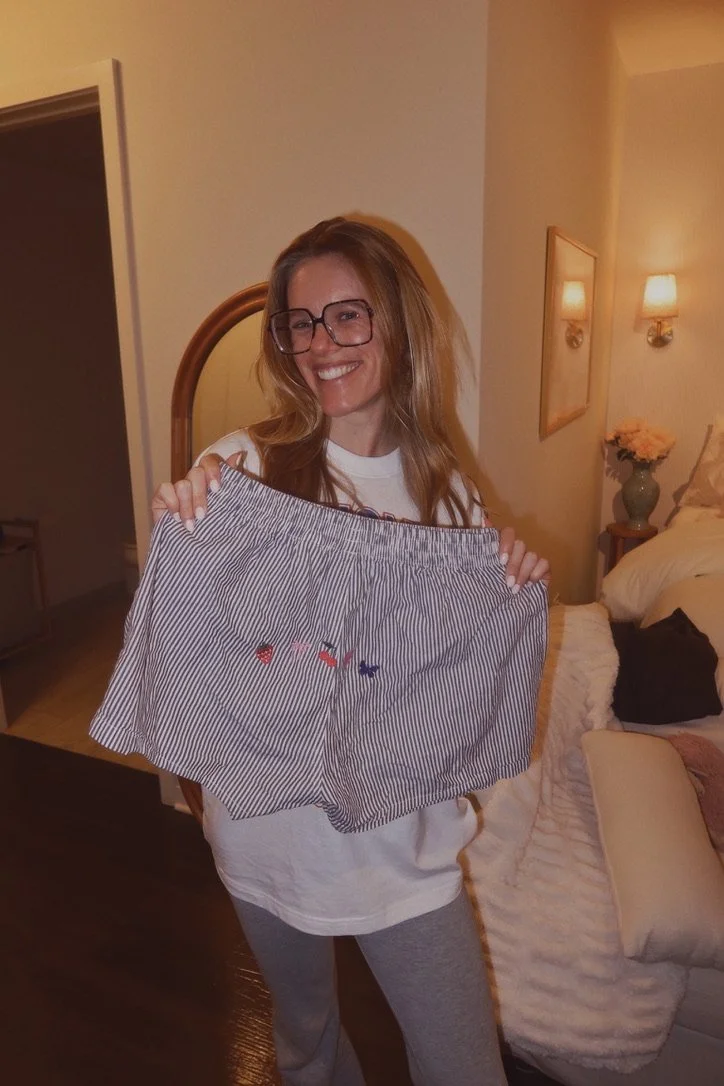
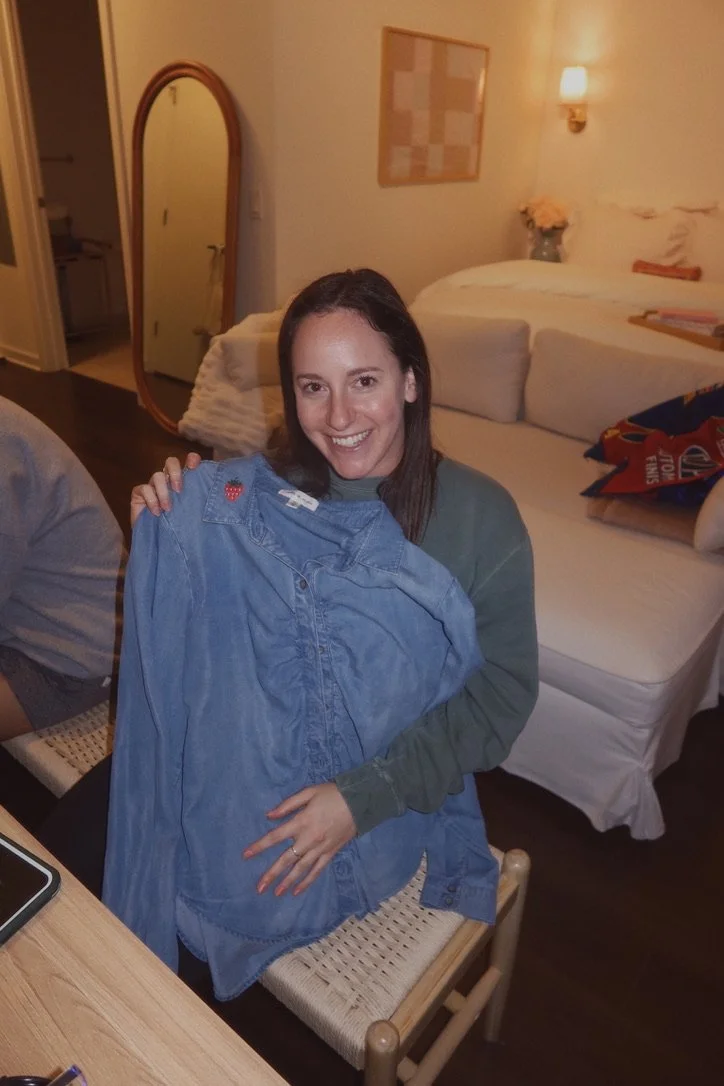

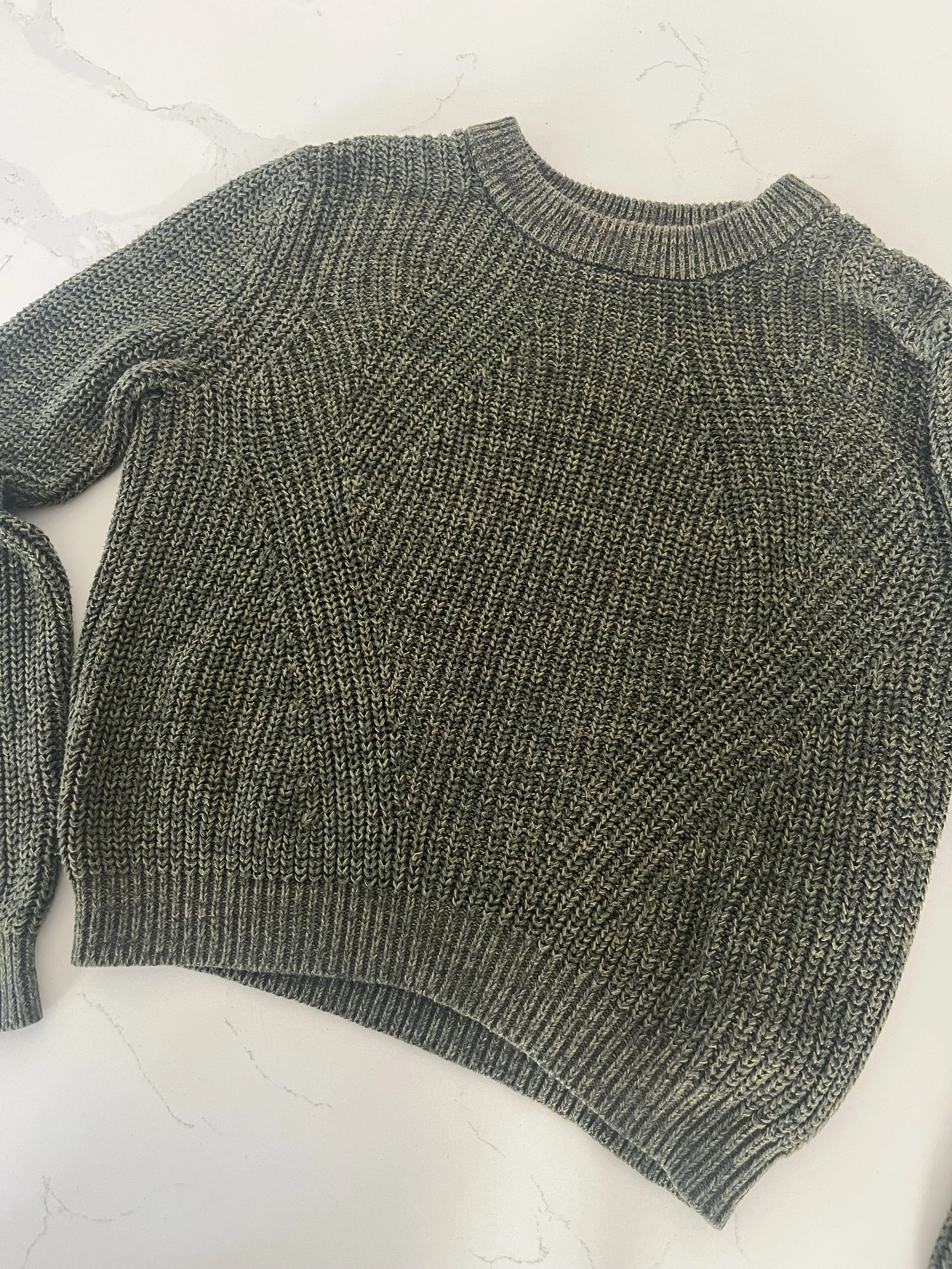
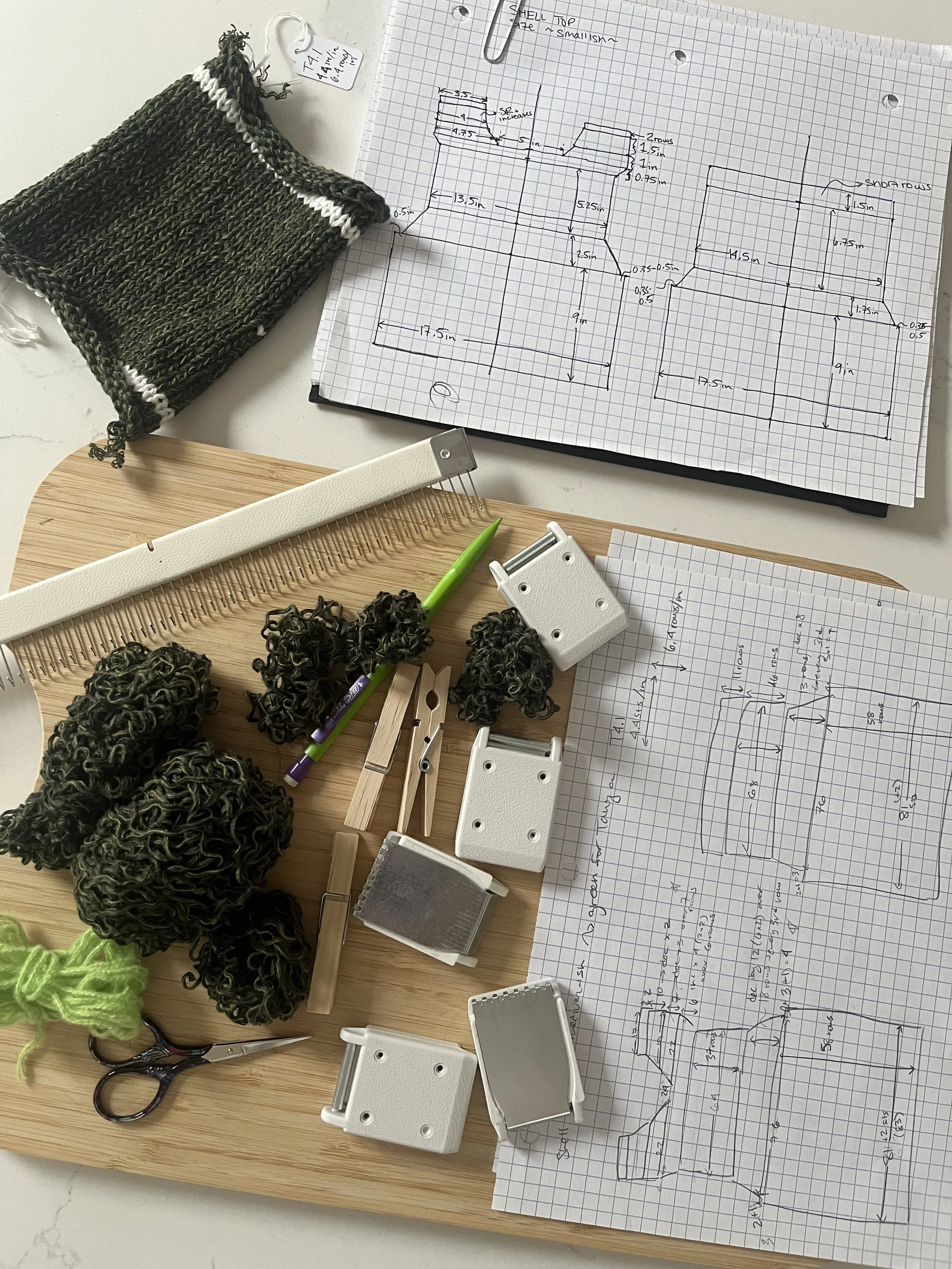
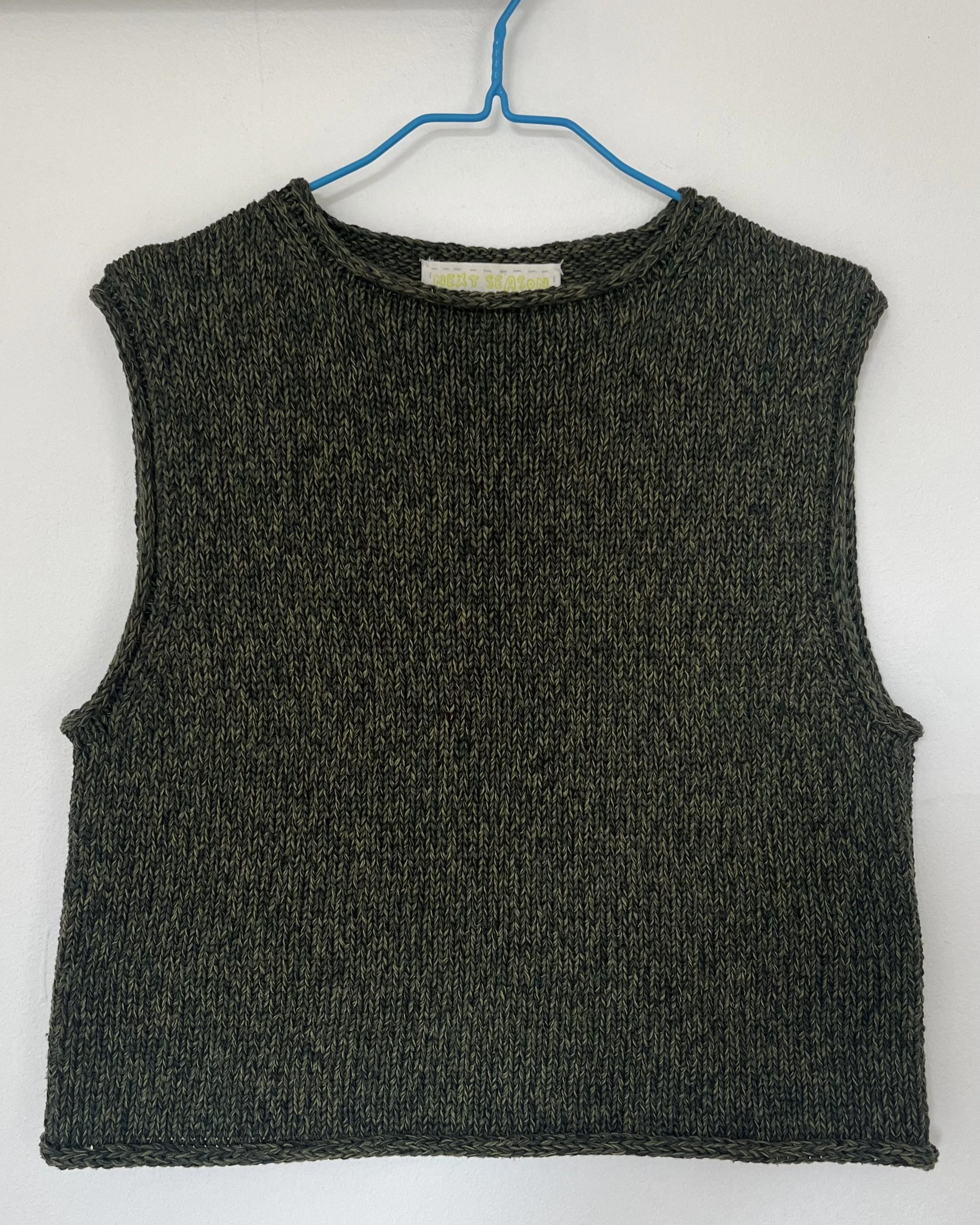
Additionally, we were able to facilitate a 1:1 customer creative match where our customer, Tanya, was able to work with our creative, Anne, to reknit an old sweater into a sweater vest, allowing us to experience the end-to-end process of our business model, gaining key learnings around logistics, creative/customer collaboration, and realistic unit economics.


4. Reflect
We saw great initial traction with the pop-up experience and 1:1 transformation, but needed to test further hypotheses on both customer and creative ends, including customer willingness to pay, creator desire for growth, and both willingness to co-create.
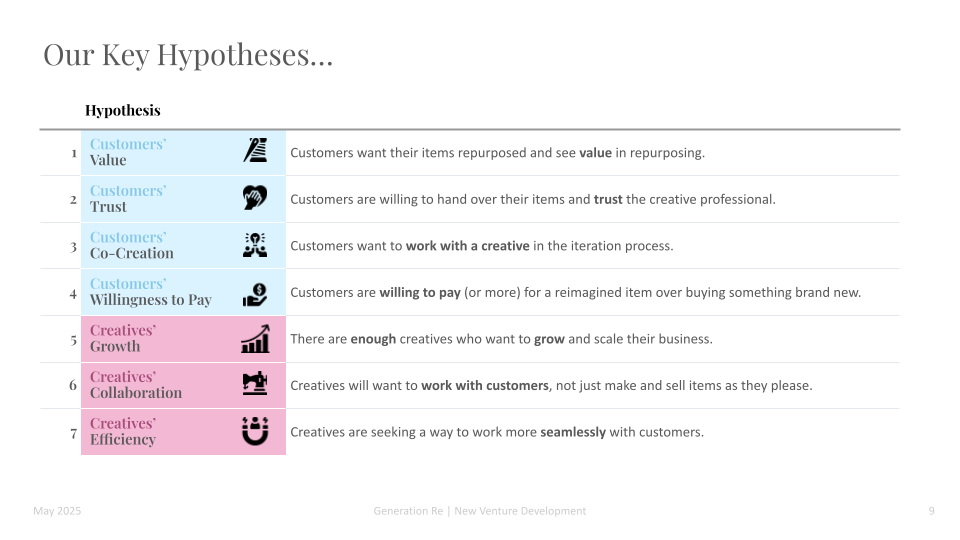
5. Create & Test
(Round 2!)
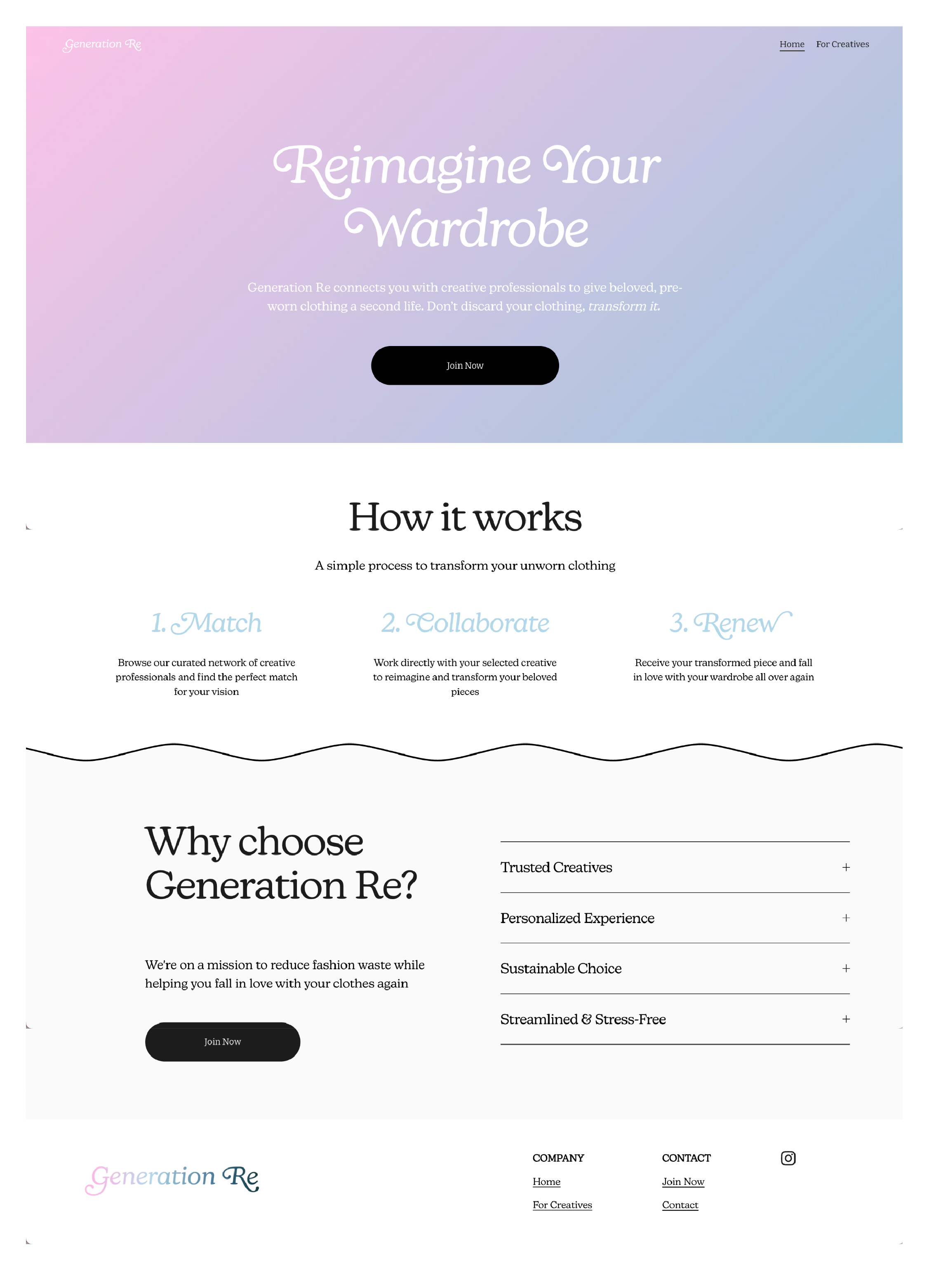
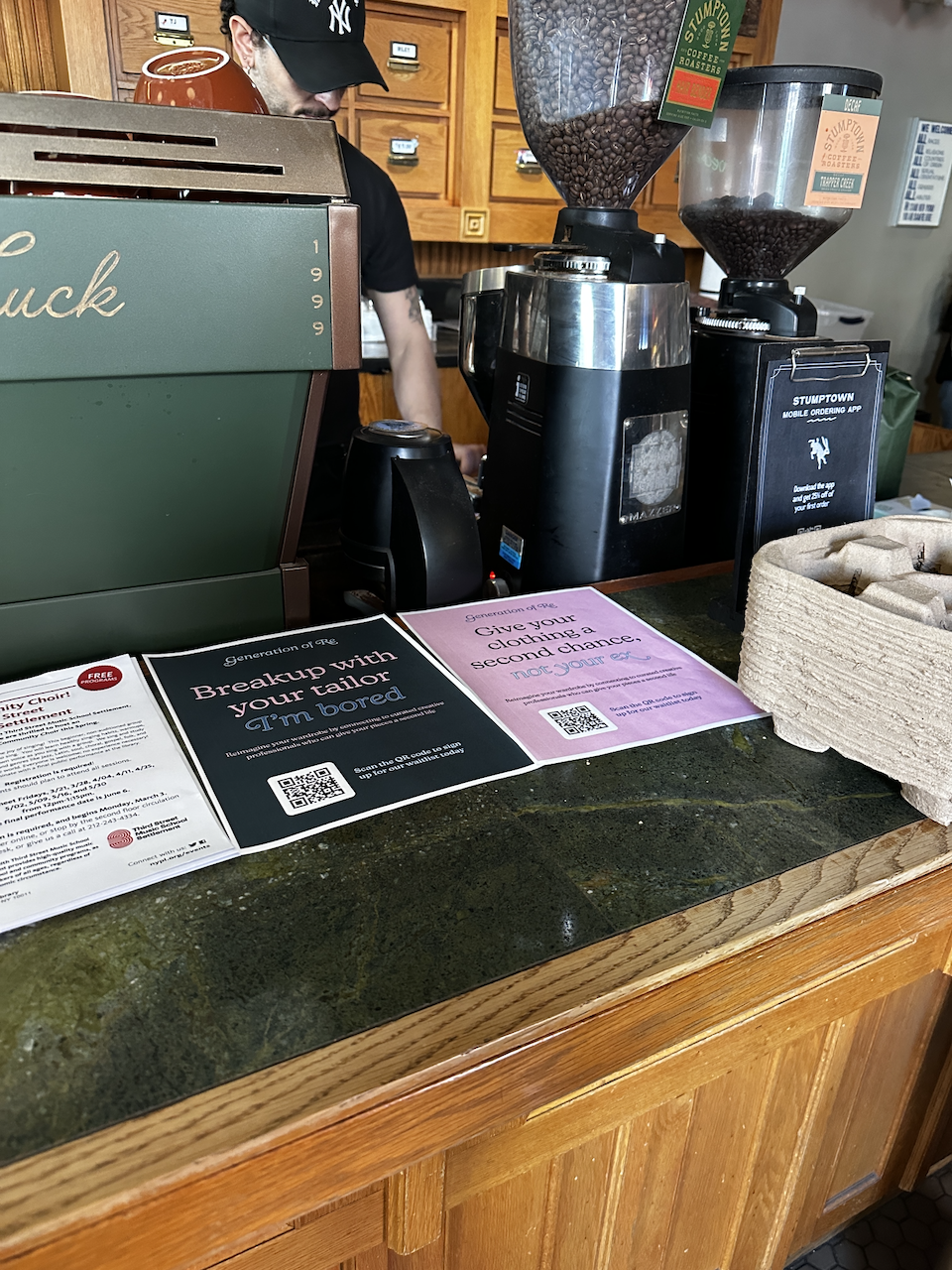
To test these hypotheses, we launched a landing page with a waitlist signup driven by a series of paid social ads, organic content, and IRL posters.


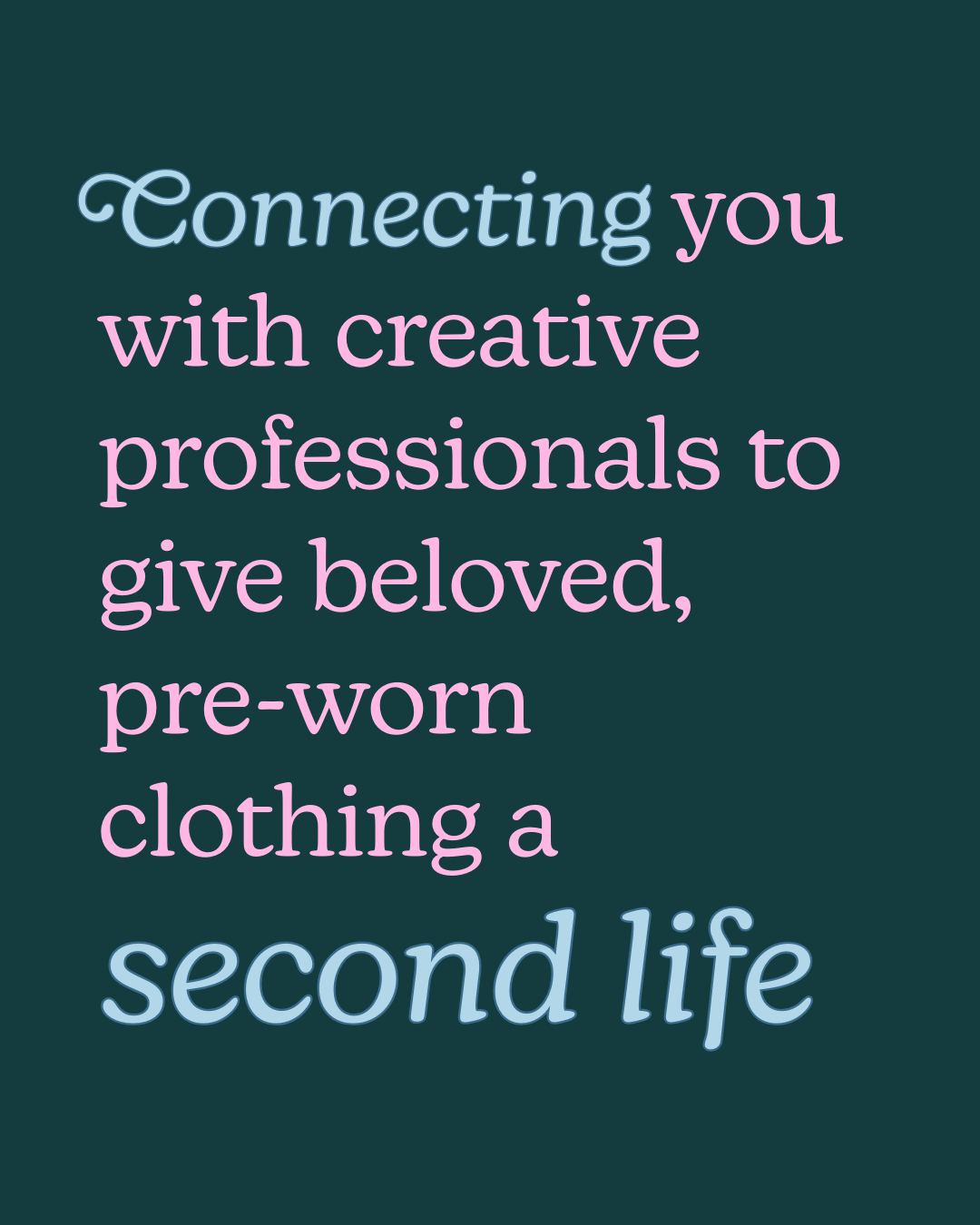

Additionally, we conducted direct creative outreach, targeting 40 individuals who matched our ideal creative profile.

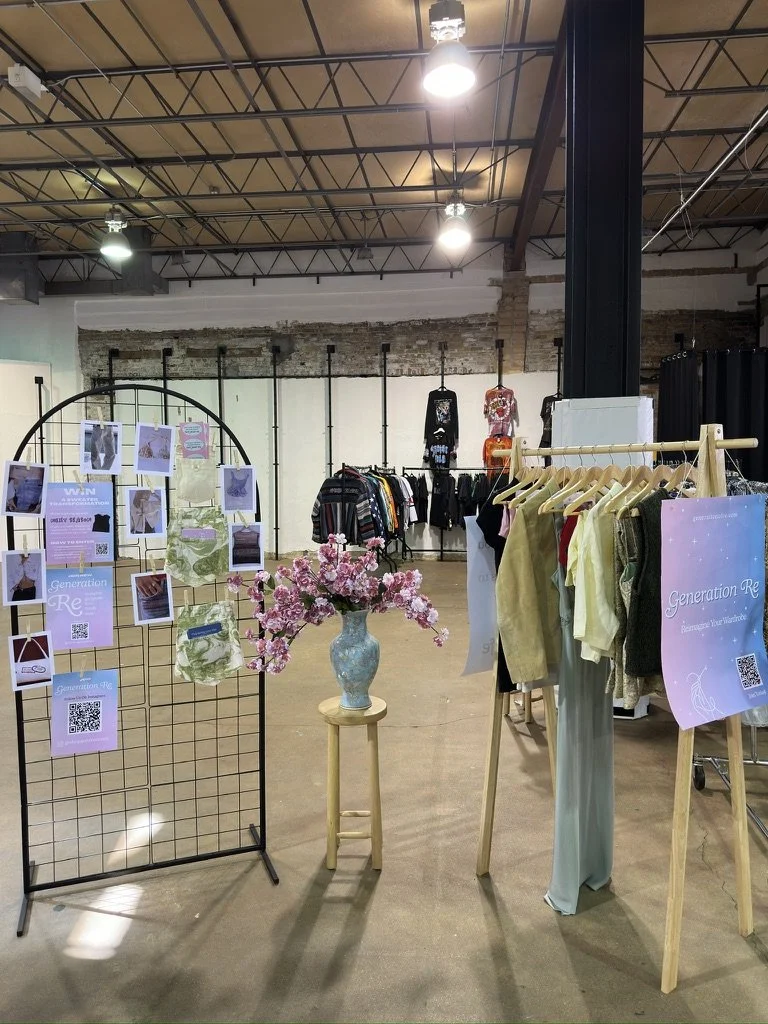
To access a higher concentration of our target market, we hosted an in-person activation at the Chicago 312 market (a community of vintage sellers, upcyclers, and customers) where we showcased the value prop of Generation Re with repaired, tailored, and repurposed items; visuals, postcards, and stickers; and a contest to have a sweater repurposed by our creative Anne.


6. Reflect
While our efforts acquired 85 customer sign-ups (7.6% click-through rate) and onboarded 4 creative professionals (14% acquisition rate), we observed the high-friction nature of the process, lack of willingness to pay, and limited creator capacity that served as a barrier for further growth.
OUTCOME
While we decided to close Generation Re, I feel so proud of all that we created and learned. We transformed 20+ items, creating a bridge between customer vision and creative execution that didn’t exist before. We sat down with 20 creatives, understanding the ins and outs of their creative processes and motivations behind their work. We learned the intricacies and complexities of digitizing and scaling a very in-person, demanding craft. And we built a community through our 100+ customer and creative conversations that demonstrated a desire for creativity and connection to our clothing.
LEARNINGS
Enthusiasm doesn’t always indicate action. Initial waitlist interest doesn’t always convert to real revenue-generating transformations
Creatives don’t necessarily need more demand; they need more capacity, as their often time-intensive craft proves to be a barrier for growth
Education and visioning tools are prerequisites for clothing transformations, not features
SKILLS
Brand Activation
Experimentation
Journey Mapping
Lead Generation
Market & Competitive Analysis
Opportunity Assessment
Performance Marketing
Prototyping
Unit Economics
User Acquisition
User Interviews
User Research